Executive Summary
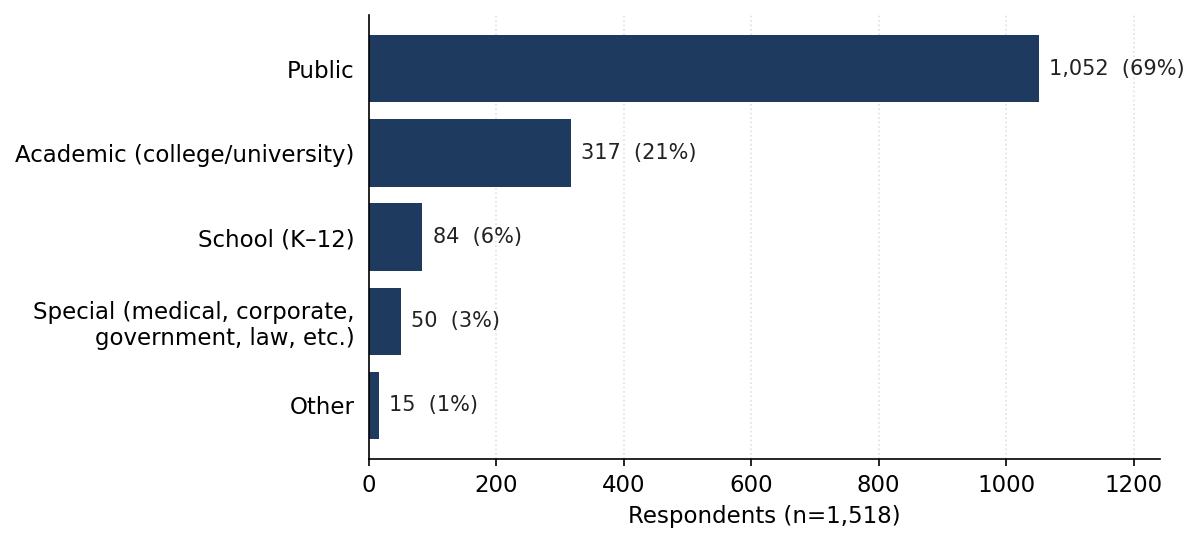
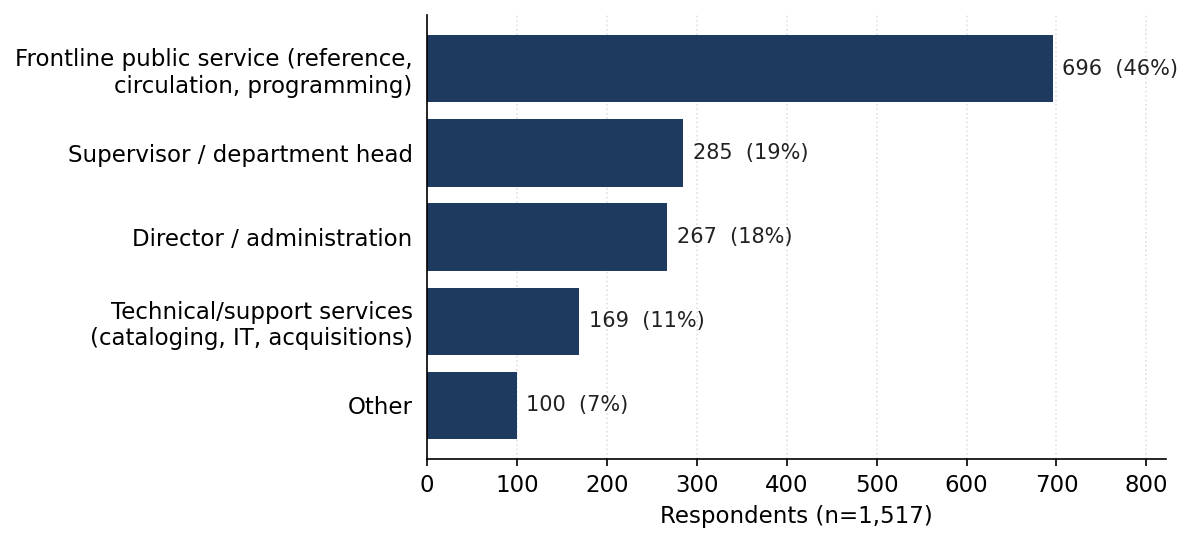
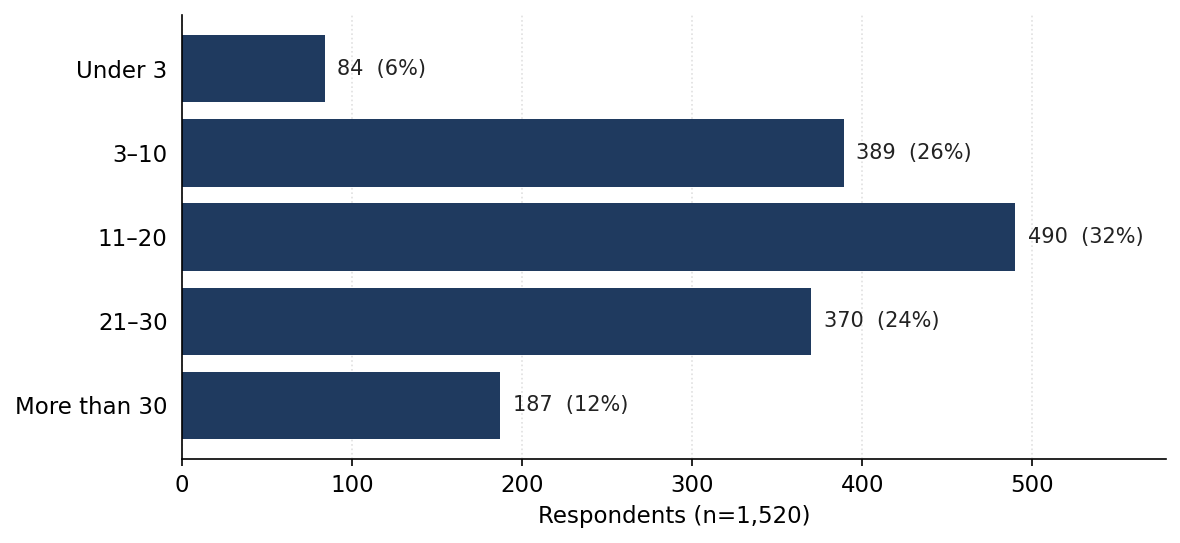
Between February and May 2026, 1,521 library workers completed an anonymous survey about what working in a library is actually like at this moment. They left 1,754 free-text comments alongside their answers. Respondents were from the Library 2.0 email list and were predominantly from public libraries; the majority were in frontline public service roles, and roughly 7 in 10 had more than a decade of library experience.
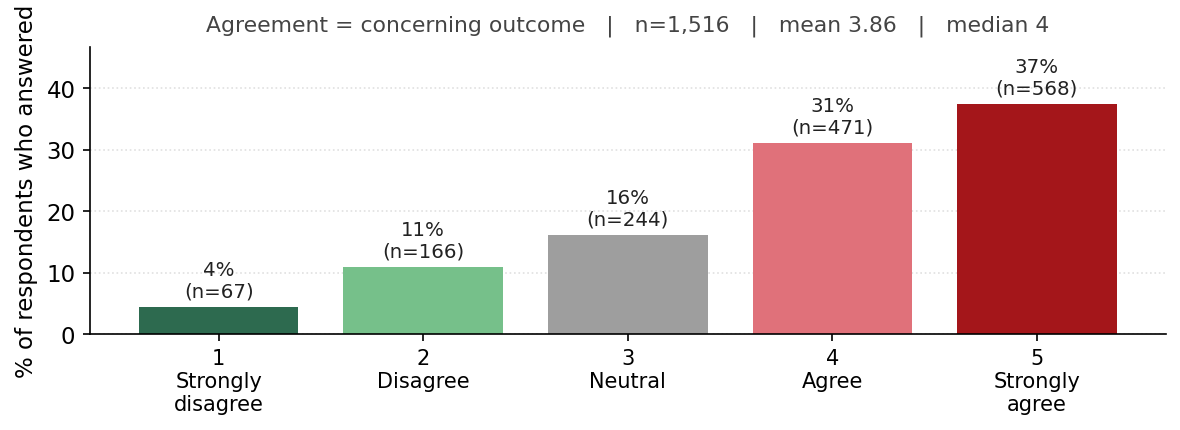
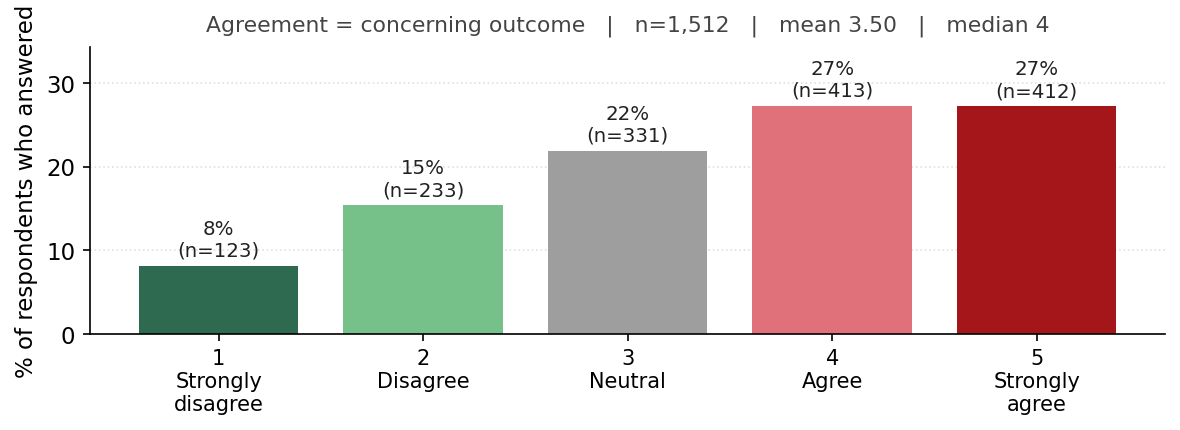
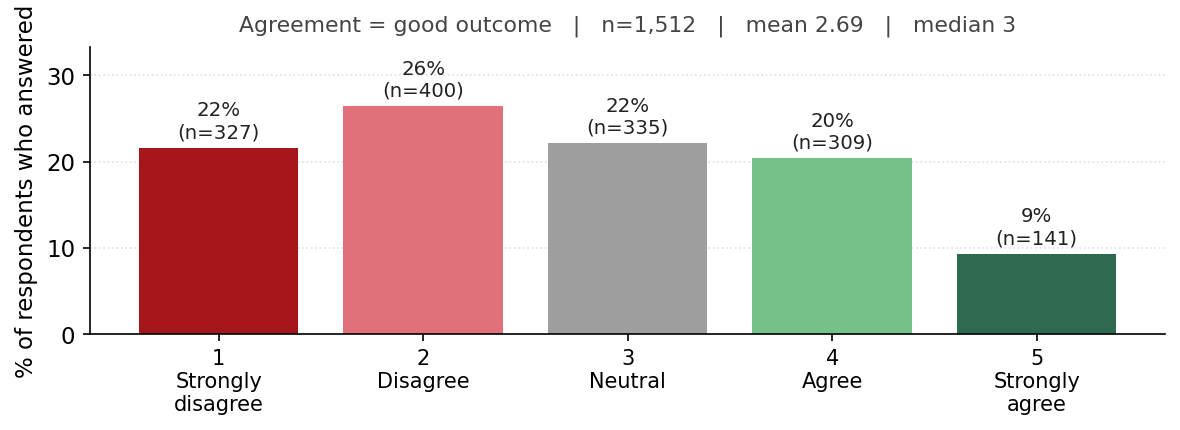
The headline finding is that stretched institutions are held together by people. The single most-agreed-with statement in the entire survey (chosen by 69% of respondents) is that libraries are expected to provide services that go well beyond their actual resources and staffing. More than half (55%) say they are often emotionally drained by the end of the workday. Nearly half (48%) say their library is not adequately staffed. Just over four in ten (44%) say they have personally experienced verbal, sexual, racial, or other harassment from patrons. More than a third (36%) say they regularly handle patron mental-health crises, substance-use situations, or homelessness.
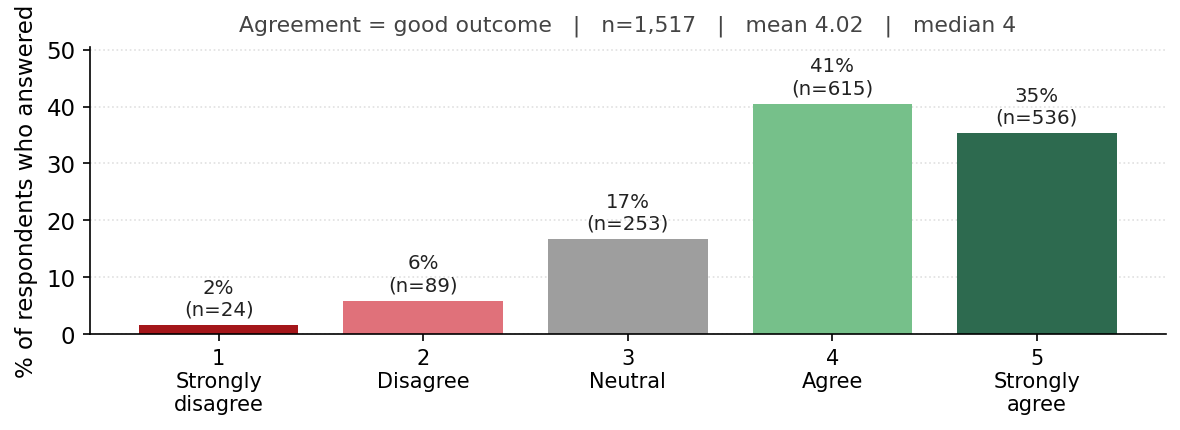
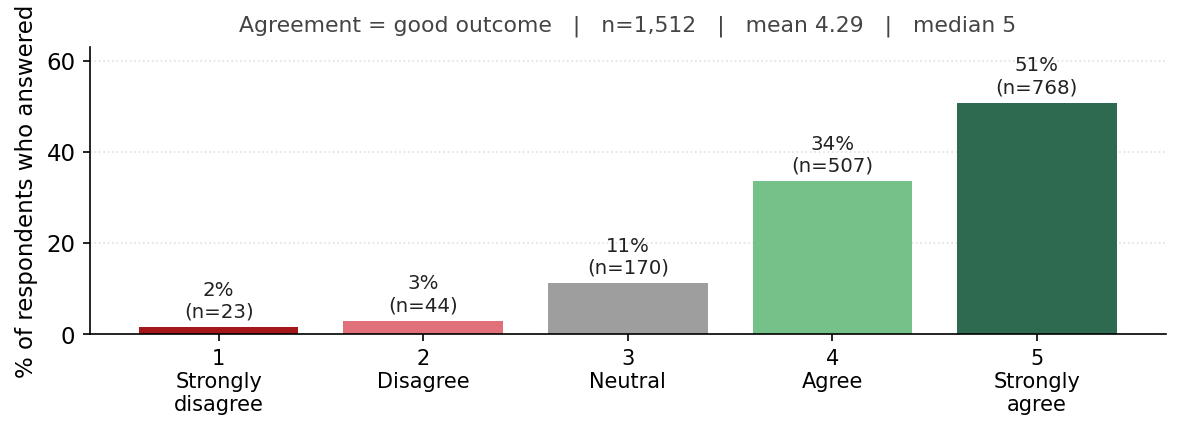
Set against those structural pressures are real and consistent strengths. Eighty-four percent of respondents say their colleagues support each other in handling difficult situations, by a wide margin the survey's strongest item. Three-quarters say they feel physically safe at work; another three-quarters plan to stay in the library profession for the foreseeable future; and 69% plan to stay in their current position. Roughly two-thirds say leadership takes safety concerns seriously when raised. The safety data is likely skewed in a positive direction by the Library 2.0 audience's access to the Safe Library webinar series by Dr. Steve Albrecht.
Part 1 — Who Answered the Survey
Which best describes your library?
| Response | Count | Share |
|---|---|---|
| Public | 1,052 | 69.3% |
| Academic (college/university) | 317 | 20.9% |
| School (K–12) | 84 | 5.5% |
| Special (medical, corporate, government, law, etc.) | 50 | 3.3% |
| Other | 15 | 1.0% |
| Total answered | 1,518 | 100% |
Which best describes your role?
| Response | Count | Share |
|---|---|---|
| Frontline public service (reference, circulation, programming) | 696 | 45.9% |
| Supervisor / department head | 285 | 18.8% |
| Director / administration | 267 | 17.6% |
| Technical/support services (cataloging, IT, acquisitions) | 169 | 11.1% |
| Other | 100 | 6.6% |
| Total answered | 1,517 | 100% |
How many years have you worked in libraries?
| Response | Count | Share |
|---|---|---|
| Under 3 | 84 | 5.5% |
| 3–10 | 389 | 25.6% |
| 11–20 | 490 | 32.2% |
| 21–30 | 370 | 24.3% |
| More than 30 | 187 | 12.3% |
| Total answered | 1,520 | 100% |
Part 2 — Safety, Training, and Leadership Response
I feel physically safe in my library workplace.
| Response | Count | Share |
|---|---|---|
| 1 — Strongly disagree | 24 | 1.6% |
| 2 — Disagree | 89 | 5.9% |
| 3 — Neutral | 253 | 16.7% |
| 4 — Agree | 615 | 40.5% |
| 5 — Strongly agree | 536 | 35.3% |
| Total answered | 1,517 | 100% |
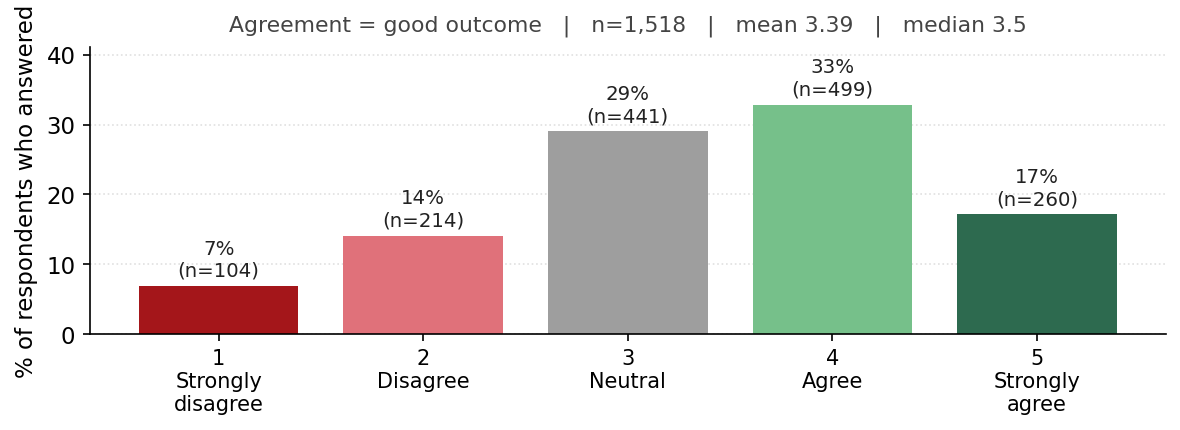
I have received adequate training to handle safety and behavioral incidents when they occur.
| Response | Count | Share |
|---|---|---|
| 1 — Strongly disagree | 104 | 6.9% |
| 2 — Disagree | 214 | 14.1% |
| 3 — Neutral | 441 | 29.1% |
| 4 — Agree | 499 | 32.9% |
| 5 — Strongly agree | 260 | 17.1% |
| Total answered | 1,518 | 100% |
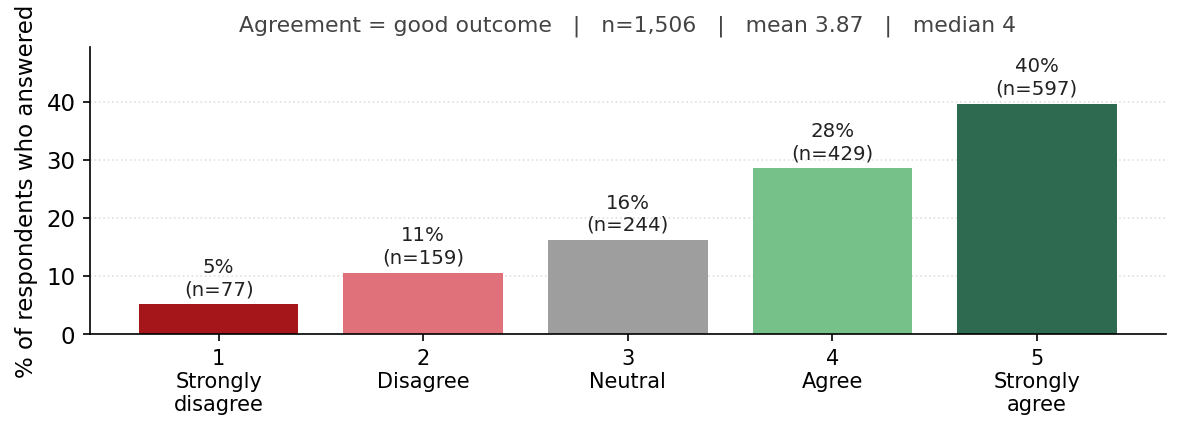
Leadership at my library takes staff safety concerns seriously when they are raised.
| Response | Count | Share |
|---|---|---|
| 1 — Strongly disagree | 77 | 5.1% |
| 2 — Disagree | 159 | 10.6% |
| 3 — Neutral | 244 | 16.2% |
| 4 — Agree | 429 | 28.5% |
| 5 — Strongly agree | 597 | 39.6% |
| Total answered | 1,506 | 100% |
Part 3 — What the Work Actually Involves
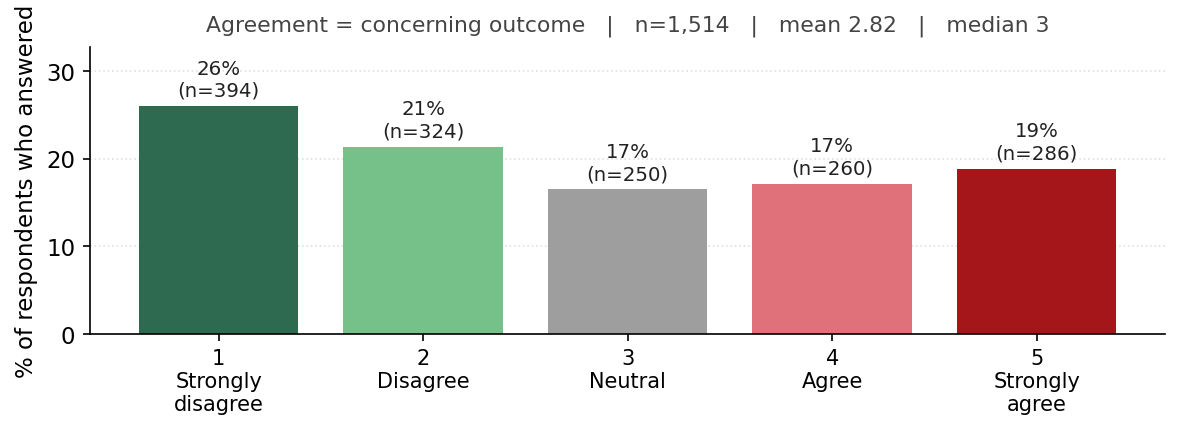
I regularly handle situations involving patrons experiencing mental health crises, substance use, or homelessness.
| Response | Count | Share |
|---|---|---|
| 1 — Strongly disagree | 394 | 26.0% |
| 2 — Disagree | 324 | 21.4% |
| 3 — Neutral | 250 | 16.5% |
| 4 — Agree | 260 | 17.2% |
| 5 — Strongly agree | 286 | 18.9% |
| Total answered | 1,514 | 100% |
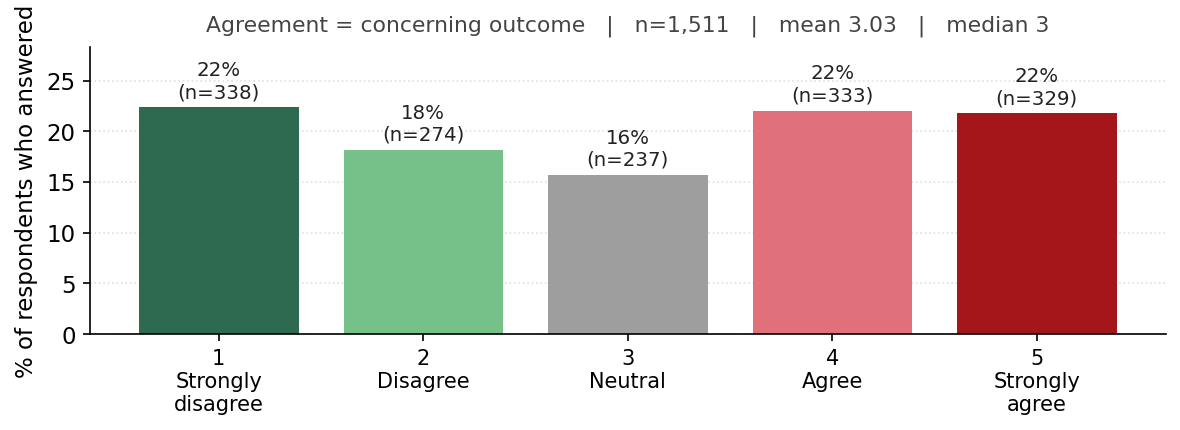
I have experienced harassment — verbal, sexual, racial, or other — from patrons in the course of my work.
| Response | Count | Share |
|---|---|---|
| 1 — Strongly disagree | 338 | 22.4% |
| 2 — Disagree | 274 | 18.1% |
| 3 — Neutral | 237 | 15.7% |
| 4 — Agree | 333 | 22.0% |
| 5 — Strongly agree | 329 | 21.8% |
| Total answered | 1,511 | 100% |
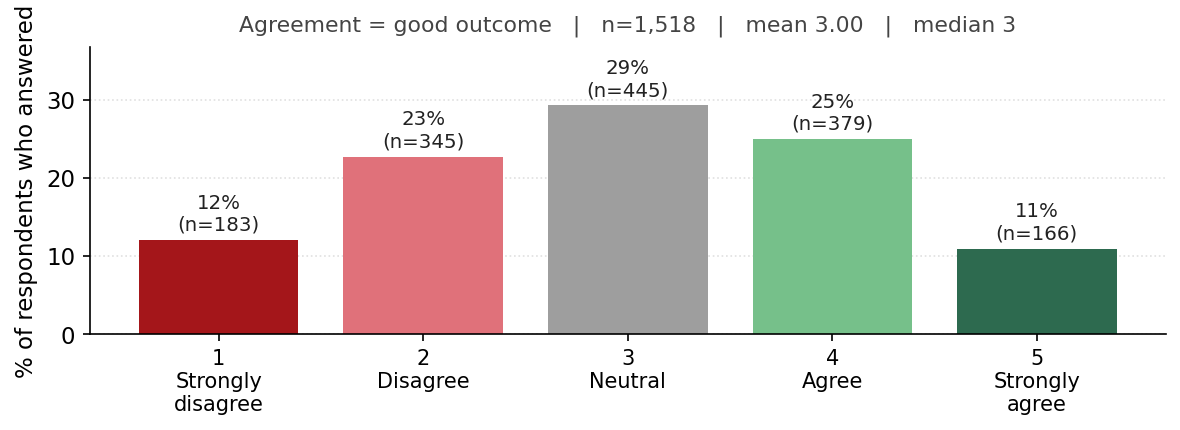
The work I actually do on a typical day matches what I thought library work would be when I entered the profession.
| Response | Count | Share |
|---|---|---|
| 1 — Strongly disagree | 183 | 12.1% |
| 2 — Disagree | 345 | 22.7% |
| 3 — Neutral | 445 | 29.3% |
| 4 — Agree | 379 | 25.0% |
| 5 — Strongly agree | 166 | 10.9% |
| Total answered | 1,518 | 100% |
My library is expected to provide services that go well beyond its actual resources and staffing.
| Response | Count | Share |
|---|---|---|
| 1 — Strongly disagree | 67 | 4.4% |
| 2 — Disagree | 166 | 10.9% |
| 3 — Neutral | 244 | 16.1% |
| 4 — Agree | 471 | 31.1% |
| 5 — Strongly agree | 568 | 37.5% |
| Total answered | 1,516 | 100% |
Part 4 — Burnout, Support, and Recovery
I often feel emotionally drained by the end of my workday.
| Response | Count | Share |
|---|---|---|
| 1 — Strongly disagree | 123 | 8.1% |
| 2 — Disagree | 233 | 15.4% |
| 3 — Neutral | 331 | 21.9% |
| 4 — Agree | 413 | 27.3% |
| 5 — Strongly agree | 412 | 27.2% |
| Total answered | 1,512 | 100% |
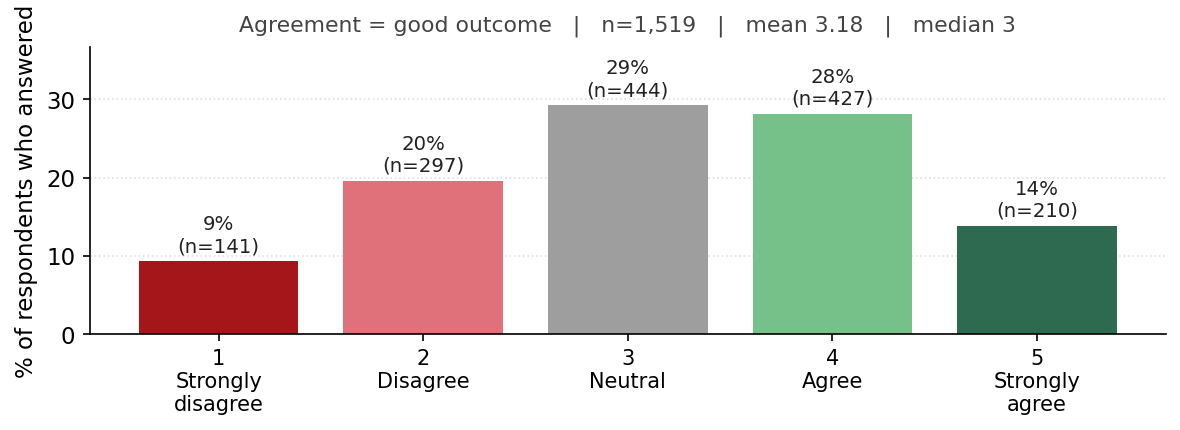
I have access to meaningful support — peer, professional, or organizational — for the emotional toll of my work.
| Response | Count | Share |
|---|---|---|
| 1 — Strongly disagree | 141 | 9.3% |
| 2 — Disagree | 297 | 19.6% |
| 3 — Neutral | 444 | 29.2% |
| 4 — Agree | 427 | 28.1% |
| 5 — Strongly agree | 210 | 13.8% |
| Total answered | 1,519 | 100% |
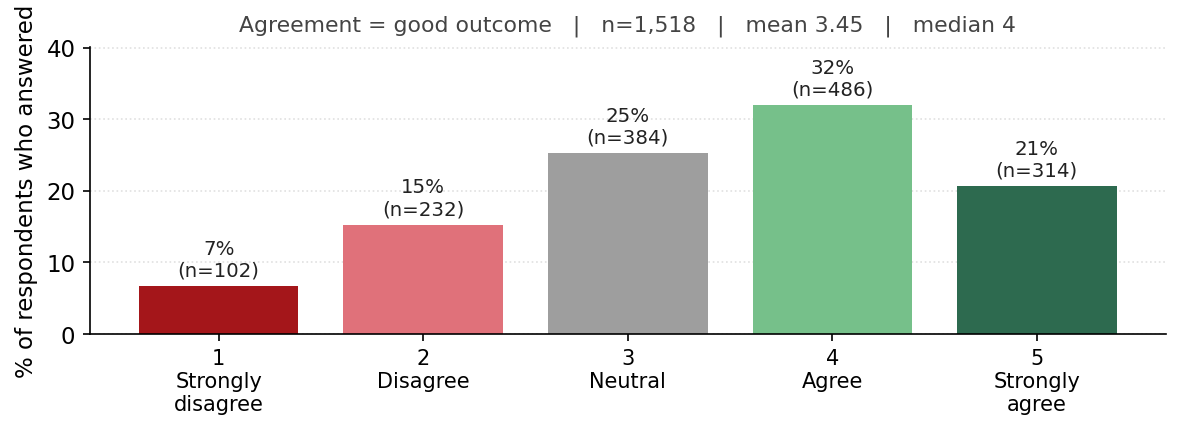
I am able to recover and disconnect from work between shifts well enough to sustain this work over time.
| Response | Count | Share |
|---|---|---|
| 1 — Strongly disagree | 102 | 6.7% |
| 2 — Disagree | 232 | 15.3% |
| 3 — Neutral | 384 | 25.3% |
| 4 — Agree | 486 | 32.0% |
| 5 — Strongly agree | 314 | 20.7% |
| Total answered | 1,518 | 100% |
Part 5 — Supervision, Peers, and Structural Conditions
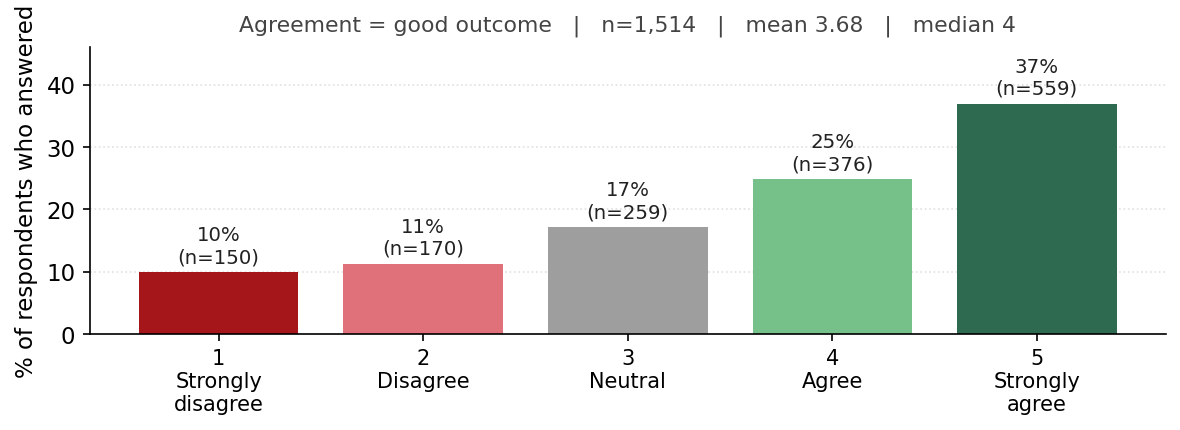
My direct supervisor understands the realities of my work and supports me effectively.
| Response | Count | Share |
|---|---|---|
| 1 — Strongly disagree | 150 | 9.9% |
| 2 — Disagree | 170 | 11.2% |
| 3 — Neutral | 259 | 17.1% |
| 4 — Agree | 376 | 24.8% |
| 5 — Strongly agree | 559 | 36.9% |
| Total answered | 1,514 | 100% |
My colleagues and I support each other in handling difficult situations.
| Response | Count | Share |
|---|---|---|
| 1 — Strongly disagree | 23 | 1.5% |
| 2 — Disagree | 44 | 2.9% |
| 3 — Neutral | 170 | 11.2% |
| 4 — Agree | 507 | 33.5% |
| 5 — Strongly agree | 768 | 50.8% |
| Total answered | 1,512 | 100% |
My library is adequately staffed for the work we are expected to do.
| Response | Count | Share |
|---|---|---|
| 1 — Strongly disagree | 327 | 21.6% |
| 2 — Disagree | 400 | 26.5% |
| 3 — Neutral | 335 | 22.2% |
| 4 — Agree | 309 | 20.4% |
| 5 — Strongly agree | 141 | 9.3% |
| Total answered | 1,512 | 100% |
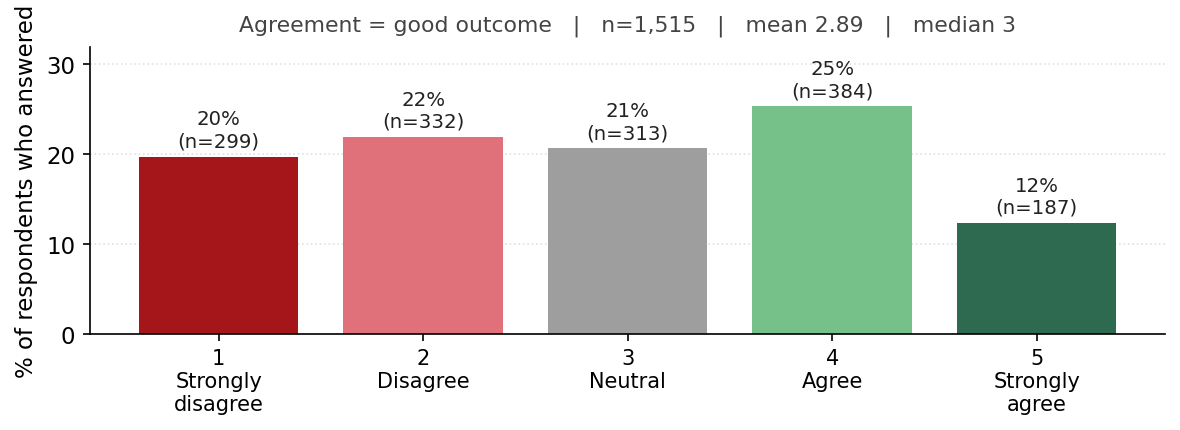
The compensation I receive is appropriate for the work I am actually doing.
| Response | Count | Share |
|---|---|---|
| 1 — Strongly disagree | 299 | 19.7% |
| 2 — Disagree | 332 | 21.9% |
| 3 — Neutral | 313 | 20.7% |
| 4 — Agree | 384 | 25.3% |
| 5 — Strongly agree | 187 | 12.3% |
| Total answered | 1,515 | 100% |
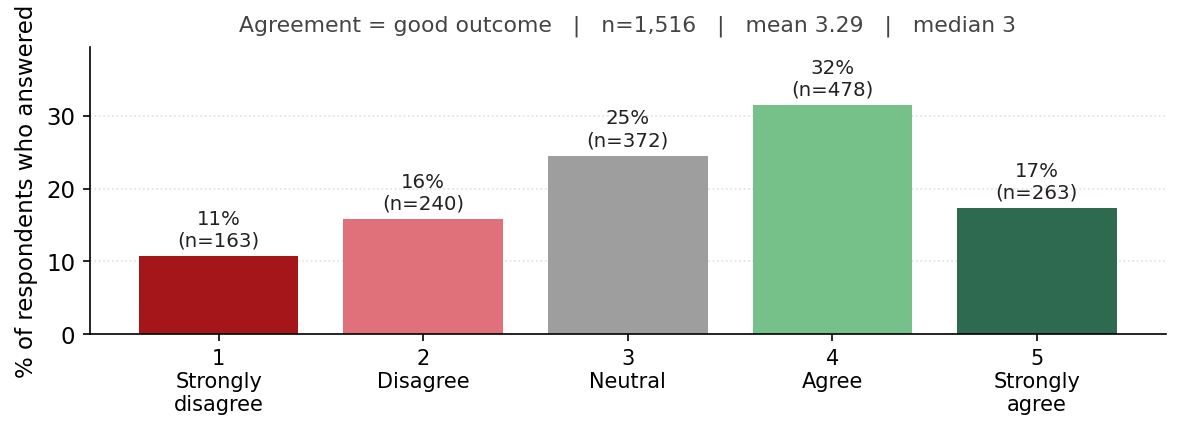
I feel genuinely valued and recognized for the contributions I make.
| Response | Count | Share |
|---|---|---|
| 1 — Strongly disagree | 163 | 10.8% |
| 2 — Disagree | 240 | 15.8% |
| 3 — Neutral | 372 | 24.5% |
| 4 — Agree | 478 | 31.5% |
| 5 — Strongly agree | 263 | 17.3% |
| Total answered | 1,516 | 100% |
Part 6 — Institutional Voice and External Pressures
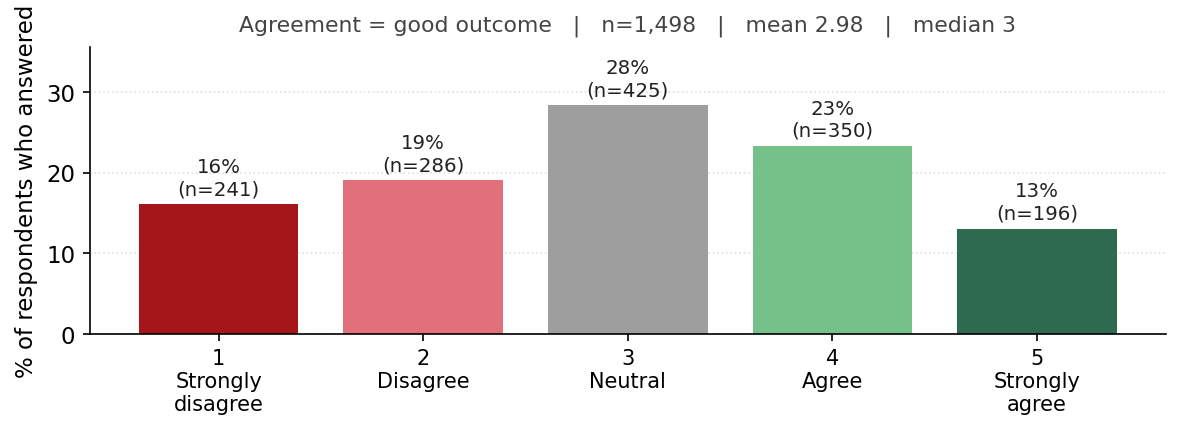
Q19. My library's administration accurately represents to the public, funders, and elected officials what frontline library work actually involves.
| Response | Count | Share |
|---|---|---|
| 1 — Strongly disagree | 241 | 16.1% |
| 2 — Disagree | 286 | 19.1% |
| 3 — Neutral | 425 | 28.4% |
| 4 — Agree | 350 | 23.4% |
| 5 — Strongly agree | 196 | 13.1% |
| Total answered | 1,498 | 100% |
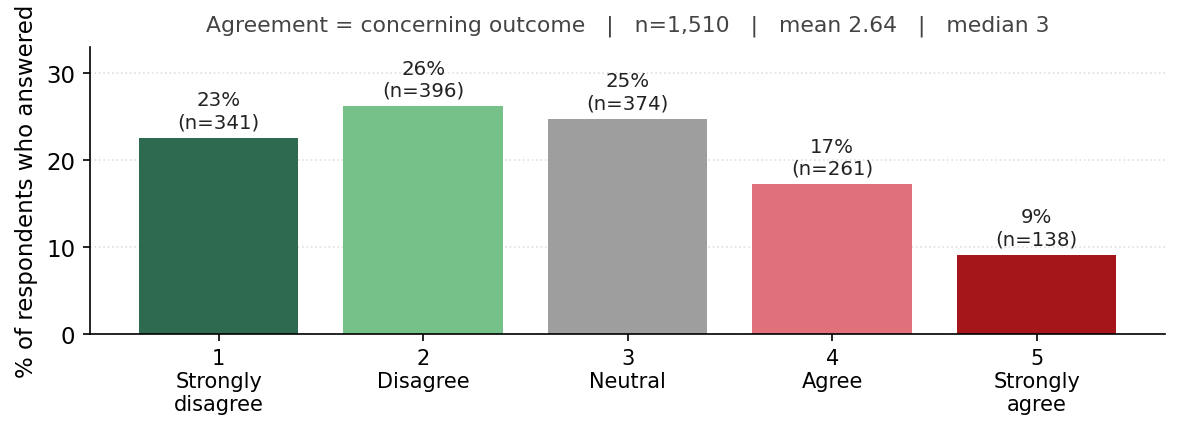
Book challenges, content protests, or First Amendment "auditor" activity have affected me or my library in ways that have made the work harder.
| Response | Count | Share |
|---|---|---|
| 1 — Strongly disagree | 341 | 22.6% |
| 2 — Disagree | 396 | 26.2% |
| 3 — Neutral | 374 | 24.8% |
| 4 — Agree | 261 | 17.3% |
| 5 — Strongly agree | 138 | 9.1% |
| Total answered | 1,510 | 100% |
Part 7 — Morale and Intent to Stay
Overall, my morale in my current position is high.
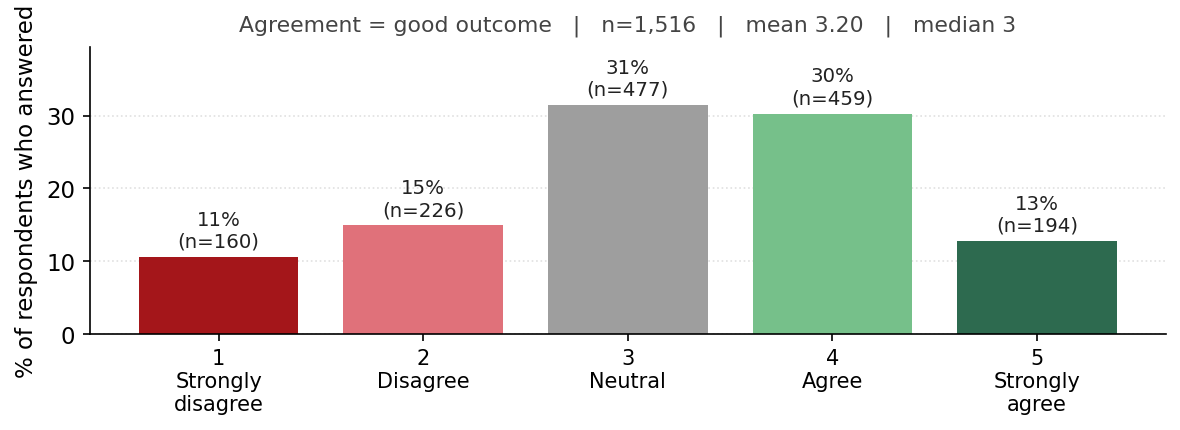
| Response | Count | Share |
|---|---|---|
| 1 — Strongly disagree | 160 | 10.6% |
| 2 — Disagree | 226 | 14.9% |
| 3 — Neutral | 477 | 31.5% |
| 4 — Agree | 459 | 30.3% |
| 5 — Strongly agree | 194 | 12.8% |
| Total answered | 1,516 | 100% |
I plan to stay in my current library position for the foreseeable future.
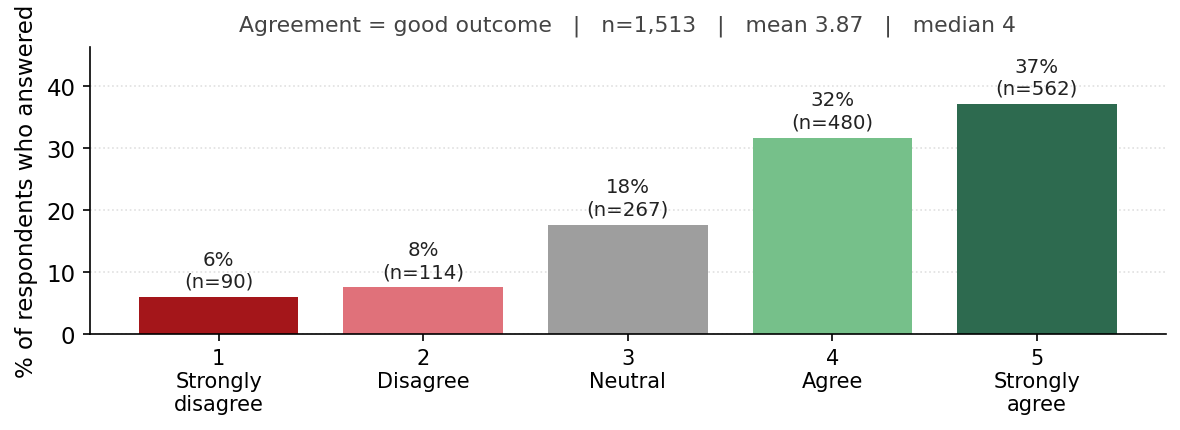
| Response | Count | Share |
|---|---|---|
| 1 — Strongly disagree | 90 | 5.9% |
| 2 — Disagree | 114 | 7.5% |
| 3 — Neutral | 267 | 17.6% |
| 4 — Agree | 480 | 31.7% |
| 5 — Strongly agree | 562 | 37.1% |
| Total answered | 1,513 | 100% |
I plan to stay in the library profession for the foreseeable future.
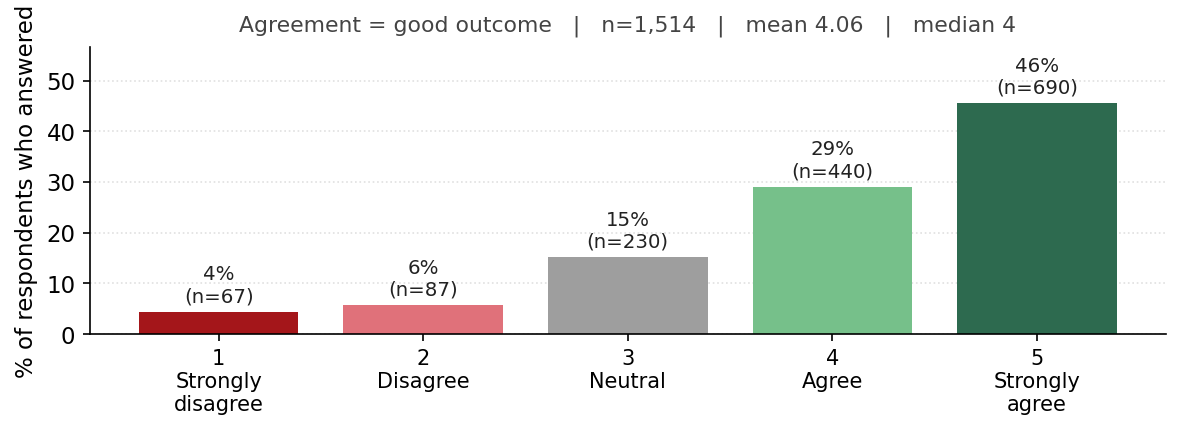
| Response | Count | Share |
|---|---|---|
| 1 — Strongly disagree | 67 | 4.4% |
| 2 — Disagree | 87 | 5.7% |
| 3 — Neutral | 230 | 15.2% |
| 4 — Agree | 440 | 29.1% |
| 5 — Strongly agree | 690 | 45.6% |
| Total answered | 1,514 | 100% |
Part 8 — What Library Workers Wrote in Their Own Words
After the closed-response items, respondents were given two open-ended prompts. Together, they generated 1,754 free-text comments. The two summaries below were generated by AI (Manus.ai) and identify the recurring themes.
Open-ended Question 1 — "Please complete: 'The library workplace would be a better place to work if...'"
Comments analyzed: 1,222
Respondents overwhelmingly emphasized the need for better funding and adequate staffing as foundational improvements to make library workplaces better. Many highlighted that current staffing levels are insufficient to meet the demands placed on library workers, leading to burnout and compromised service quality. Compensation that reflects the education, responsibilities, and emotional labor involved was a consistent concern, alongside calls for management and administration to be more supportive, understanding, and engaged with frontline realities. Additionally, respondents noted the increasing expectation for libraries to fill social service gaps without proper resources or training, underscoring a desire for clearer role boundaries and more external support. Improved communication, transparency, and respect from leadership and the broader community were also frequently mentioned as critical to a healthier work environment.
Adequate Funding and Staffing — mentioned by a majority of respondents.
Respondents consistently called for increased and stable funding to support adequate staffing levels that align with the workload and community needs. Insufficient staffing was linked to burnout, inability to provide quality service, and excessive workload.
Fair Compensation and Recognition — a major recurring theme.
Many respondents expressed that pay does not reflect the level of education, responsibilities, or emotional labor required in library work. They called for salaries that are livable, equitable, and commensurate with their professional qualifications and workload.
Supportive and Knowledgeable Leadership — a major recurring theme.
Respondents emphasized the importance of management and administration that understand library work, listen to staff concerns, and provide meaningful support. Leadership that has library experience or regularly engages with frontline work was seen as vital to improving workplace conditions.
Clear Role Boundaries and Reduced Mission Creep — a notable secondary theme.
Many respondents noted that libraries are increasingly expected to provide social services and address community issues such as homelessness and mental health without adequate training or resources. They expressed a desire for clearer boundaries so that library workers can focus on their professional roles.
Improved Communication and Transparency — a notable secondary theme.
Respondents highlighted the need for better communication between administration and frontline staff, as well as greater transparency in decision-making processes. Improved dialogue was seen as essential to addressing workload, morale, and policy concerns.
Safety and Security — a smaller but consistent theme.
Concerns about personal safety and security were frequently mentioned, with calls for more security personnel, better training, and support to handle difficult or unsafe situations involving patrons.
Public Understanding and Valuing of Libraries — a notable secondary theme.
Respondents expressed frustration that the public and decision-makers often misunderstand or undervalue the scope and complexity of library work. They called for greater public awareness and appreciation of the professional roles and community impact of libraries.
Workplace Culture and Respect — a smaller but consistent theme.
Respondents desired a workplace culture marked by mutual respect, professionalism, and equitable treatment among staff. Issues such as favoritism, micro-management, and lack of respect were cited as detrimental to morale.
Professional Development and Training — a smaller but consistent theme.
Respondents noted the importance of ongoing training and professional development opportunities, including training in de-escalation, social services, and technology, to better equip staff for the evolving demands of library work.
Where respondents diverged. While most respondents agreed on the need for better funding, staffing, and support, some expressed concerns about political and ideological divisions within library workplaces, including calls for more political neutrality and balanced viewpoints. Additionally, a few respondents noted tensions around unionization and management approaches, reflecting differing perspectives on workplace governance and staff-management relations.
Open-ended Field 2 — "Anything else you'd like us to know?"
Comments analyzed: 532
Respondents to the survey expressed a complex array of experiences reflecting both deep dedication to their work and substantial challenges in the profession. Many highlighted the increasing demands placed on library workers, including safety concerns, emotional strain, and role expansion into social services beyond traditional library tasks. Funding shortages, understaffing, and administrative disconnect further exacerbate these issues, leading to widespread burnout and low morale. Despite these obstacles, many respondents conveyed a strong commitment to their communities and the essential societal role of libraries. The rise of political pressures, censorship, and rapid technological changes, including those related to AI, also emerged as significant concerns affecting the profession's future.
Emotional Toll and Burnout — mentioned by a majority of respondents.
Library workers frequently described their jobs as emotionally draining due to exposure to societal issues such as homelessness, mental health crises, and harassment. Burnout from high workloads and the expansion of duties has become a pervasive challenge.
Funding and Staffing Challenges — a major recurring theme.
Many respondents pointed to chronic funding shortages and understaffing, which limit their capacity to serve communities effectively and safely. Budget constraints impact everything from security to materials and staff compensation.
Changing Roles and Mission Creep — a major recurring theme.
Respondents noted significant changes in the expectations placed on library workers, requiring them to act as social workers, mental health first responders, and technology support, often without adequate training or resources.
Safety Concerns and Hostile Environments — a notable secondary theme.
Concerns about personal safety and dealing with challenging or violent patrons were common. Some respondents described experiences with harassment and threats, while others discussed the lack of sufficient security measures.
Leadership and Administrative Disconnect — a notable secondary theme.
Several respondents expressed frustration with leadership perceived as out of touch, lacking support, or prioritizing image over staff needs. Issues of favoritism and lack of meaningful communication were also raised.
Impact of Political Climate and Censorship — a notable secondary theme.
Respondents noted increased political pressures affecting libraries, including challenges over materials, programming restrictions, and attacks on intellectual freedom, which contribute to stress and affect service delivery.
Commitment and Passion for the Profession — a smaller but consistent theme.
Despite difficulties, many respondents conveyed strong dedication to library work and appreciation for the meaningful impact they have on their communities.
Challenges with AI and Technology — a smaller but consistent theme.
Several respondents discussed the complexities introduced by AI and rapid technological change, including the need for staff training and concerns about job security.
Workplace Culture and Staff Relations — a smaller but consistent theme.
Issues, including favoritism, bullying, and internal staff conflicts, were highlighted as sources of stress that affect morale and job satisfaction.
Where respondents diverged. While most respondents agree on the challenging nature of library work and the need for better support and resources, some express pride and love for their roles even amid difficulties. There is variation in experiences with leadership and workplace culture, from highly supportive environments to toxic atmospheres. Additionally, views diverge on the impact of AI and technology, with some expressing hope and others concern for job security and adaptation struggles.
Closing Synthesis
Read together, the closed-response items and the free-text comments describe a library workforce in a particular kind of trouble. The trouble is not disengagement: three-quarters of respondents plan to stay in the profession, 84% feel supported by their colleagues, and two-thirds feel heard by leadership when they raise safety concerns. Library workers, on this evidence, still believe in the work.
The trouble is a structural mismatch. The single largest verdict in the survey is that institutions are being asked to do more than their resources permit — a point on which 69% of respondents agree, 15% disagree, and a majority of those who agree do so strongly. Mission expansion into mental-health response, social-service triage, and de facto day shelter shows up across the Likert items and dominates the open-ended comments. Half the workforce reports inadequate staffing; nearly half reports inadequate pay; more than half reports feeling emotionally drained by the end of the day; nearly half reports patron-driven harassment; only half feels adequately trained to manage the safety incidents they are now expected to manage.
What is keeping the work standing, on the evidence here, is the people doing it — their relationships with each other, their commitment to the profession, and, in many cases, the basic seriousness of their immediate supervisors. Whether that is a sustainable arrangement is the question this survey raises, but it cannot, by itself, answer.


It would be nice to see the answers by the type of library where the respondents work.
ReplyDelete